
Dr. Bhagyashri Abak
Consultant Dermatologist
HinjawadiHinjawadi: Mon, Wed, Fri · 2:30 pm – 3:30 pm


Our Dermatology Department offers unmatched dermatological services to patients of all ages. These include treatments for everyday conditions related to skin, hair, nails and also the mucous membranes by our skincare specialists. The dermatological services of
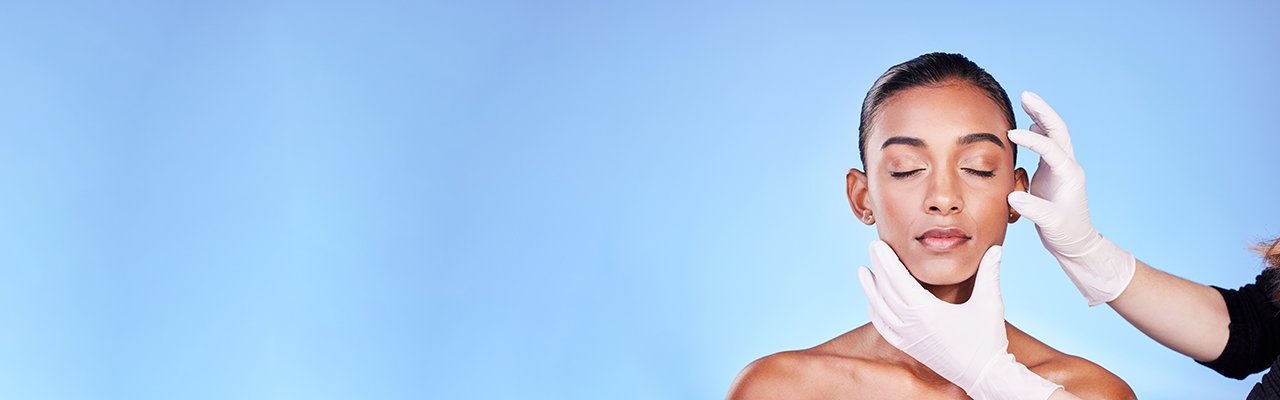
Our Dermatology Department offers unmatched dermatological services to patients of all ages. These include treatments for everyday conditions related to skin, hair, nails and also the mucous membranes by our skincare specialists. The dermatological services offered not only help in treating existing problems but also in improving the appearance of the patient’s skin, hair and nails.
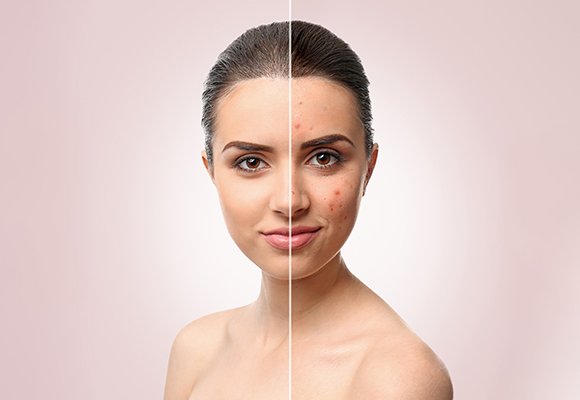
Our Dermatology Department offers treatments on an outpatient and inpatient basis for:
– Eczema
Eczema, or atopic dermatitis, is a chronic inflammatory skin condition characterised by dry, itchy and red patches. It often flares due to environmental triggers, allergens, or stress, and is commonly seen in children but can persist into adulthood.
– Psoriasis
Psoriasis is an autoimmune condition where skin cells multiply rapidly, forming thick, red plaques with silvery scales. It can affect any part of the body and is often associated with joint pain (psoriatic arthritis). Triggers include stress, infections, and cold weather.
– Lichen Planus
Lichen planus presents as flat, purple, itchy papules on the skin and mucous membranes. It is thought to be immune-mediated and can affect the nails and scalp, sometimes causing hair loss or nail ridging.
– Acne and Pimples
Acne is caused by blocked hair follicles due to excess oil, dead skin cells, and bacteria. It ranges from blackheads and whiteheads to inflamed pustules and cysts, often leading to scarring if untreated.
– Keloids
Keloids are abnormal, raised scars that extend beyond the original wound. They occur more frequently in darker skin tones and can be itchy or painful, often forming after injury, surgery, or acne.
– Scars
Scars form as part of the natural healing process after skin injury. They can be flat, raised (hypertrophic), depressed (atrophic), or pigmented, and may respond to treatments like laser therapy or microneedling.
– Pigmentation Disorders (Melasma, Suntan, Acne Marks, Dark Circles)
These conditions result in uneven skin tone due to sun damage, hormonal changes, post-inflammatory hyperpigmentation, or lifestyle factors like lack of sleep or stress. Treatments include topical agents, chemical peels and laser therapy.
– Depigmentation (Vitiligo, Leucoderma)
Vitiligo and leucoderma are characterised by white patches due to the loss of melanocytes. These conditions are often autoimmune and may be progressive, requiring treatment with phototherapy, topical steroids, or surgical options.
– Blistering Disorders (Pemphigus, Bullous Pemphigoid)
Autoimmune disorders causing fragile blisters and erosions on the skin and mucous membranes. Pemphigus tends to be more severe and affects younger individuals, while bullous pemphigoid is more common in the elderly.
– Drug Reactions (Stevens-Johnson Syndrome, Toxic Epidermal Necrolysis)
Severe allergic reactions to medications that lead to skin peeling, blistering, and mucosal involvement. These are medical emergencies requiring hospitalisation and supportive care.
– Infections (Fungal Infections, Cutaneous Tuberculosis, Leprosy, Herpes Zoster, Warts, STDs)
Skin infections can be caused by various pathogens:
– Fungal: Ringworm, athlete’s foot and candidiasis.
– Tuberculosis & Leprosy: Chronic bacterial infections with skin and nerve involvement.
– Herpes Zoster: Reactivation of the chickenpox virus, causing painful blisters.
– Warts: Caused by HPV.
– STDs: Manifestations like genital warts, herpes and syphilitic rashes.
– Vascular Disorders (Stasis Dermatitis, Vasculitis)
Conditions resulting from poor circulation or blood vessel inflammation. Stasis dermatitis causes leg swelling, itching and dark patches, while vasculitis leads to red or purple spots due to vessel inflammation.
– Collagen Disorders (SLE, Scleroderma)
Autoimmune diseases affecting connective tissue.
– SLE (Lupus): Causes rashes, joint pain and systemic involvement.
– Scleroderma: Leads to skin thickening and hardening, and can involve internal organs.
– Hair Disorders (Hair Fall, Male and Female Baldness, Alopecia Areata, Scarring Alopecia, Dandruff)
Hair concerns range from common hair fall and androgenic alopecia (baldness) to autoimmune hair loss (alopecia areata). Scarring alopecia leads to permanent loss. Dandruff involves scalp flaking due to seborrheic dermatitis.
– Nail Disorders (Nail Infections)
Fungal, bacterial, or viral infections can deform or discolour nails. Common issues include onychomycosis, paronychia and nail dystrophies linked to psoriasis or eczema.
– Alopecia Areata, Psoriasis and Eczema
These chronic inflammatory or autoimmune conditions may coexist, affecting both skin and scalp, often leading to itching, scaling, and hair loss.
– Acanthosis Nigricans
Characterised by dark, velvety skin in body folds, often linked to insulin resistance, obesity, hormonal disorders or certain medications.
– Seborrheic Keratosis
Benign, wart-like skin growths that appear with ageing. They have a stuck-on, waxy appearance and usually require no treatment unless for cosmetic reasons.
Minor surgical procedures
– Skin Biopsy
A minor procedure to remove a small sample of skin for laboratory analysis, aiding in the diagnosis of skin conditions such as infections, autoimmune diseases, or skin cancers. Performed under local anaesthesia with minimal discomfort and quick healing.
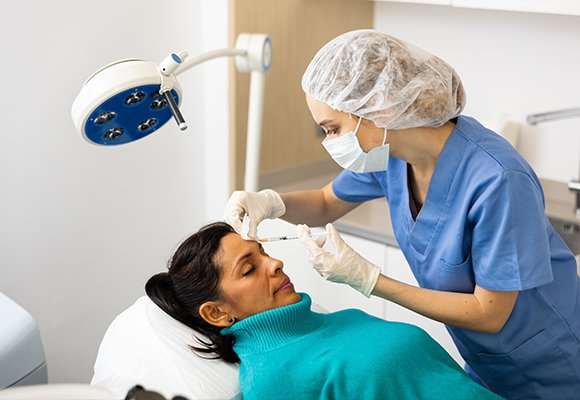
– Intralesional Injections
Medications such as corticosteroids are injected directly into skin lesions (like keloids, acne cysts, or alopecia areata) to reduce inflammation and promote healing. Safe, effective and often part of multi-session treatment plans.
– Radiofrequency Cautery
A high-frequency device used to remove skin tags, moles, warts, and benign growths with precision. The procedure is quick, causes minimal discomfort, and leaves minimal scarring—ideal for cosmetic concerns.
– Chemical Cautery
Application of specialised chemical agents to treat small skin lesions like warts, corns, or certain pigmentation spots. It causes controlled tissue destruction, allowing healthy skin to regenerate.
– Nail Avulsion
Surgical removal of part or all of a toenail or fingernail, usually done to treat severe fungal infections, ingrown nails, or nail bed tumours. Performed under local anaesthesia with proper aftercare for healing.
– Cyst Excision
A minor surgical procedure to remove epidermoid or sebaceous cysts. The cyst is carefully excised along with its sac to prevent recurrence. Quick recovery with minimal scarring.
– Lipoma Excision
Removal of benign fatty lumps (lipomas) through a small surgical incision. Performed under local anaesthesia with minimal downtime and usually a very small scar.
– Mole Removal
Moles are removed either for cosmetic reasons or to rule out malignancy. Techniques include excision, laser, or radiofrequency, depending on mole type, location, and depth.
– Cryotherapy (for Warts, Keloids)
Liquid nitrogen is applied to freeze and destroy abnormal skin tissues like warts, skin tags, and keloids. The treated area crusts and falls off within days—safe, quick, and effective.
– Platelet-Rich Plasma (PRP) Therapy
PRP involves injecting your own plasma (rich in growth factors) into the skin or scalp to stimulate collagen production and hair growth.
For Hair: Boosts hair thickness, reduces hair fall, and revives dormant follicles.
For Face: Improves texture, firmness, and radiance (also known as the “vampire facial”).
– Microneedling, Dermaroller & Dermapen
These devices create controlled micro-injuries on the skin to boost collagen and improve scars, wrinkles, and texture.
Microneedling with Dermapen: Offers precise, adjustable depth for targeted treatment.
Dermaroller: Ideal for larger surface areas.
Can be combined with serums or PRP for enhanced results.
– Scar Revision Surgery
Surgical techniques aimed at minimising or removing unsightly scars caused by injury, acne, or surgery. Options include excision, subcision, Z-plasty, and laser resurfacing—selected based on scar type and location.
– Vitiligo Surgery
Surgical treatments for stable vitiligo include:
Non-Cultured Melanocyte Transfer: Transfers melanocytes from healthy skin to depigmented patches.
Dermabrasion: Prepares the skin to receive grafts or melanocytes.
Punch Grafting: Tiny skin grafts are transferred to vitiligo areas for repigmentation.
Ideal for patients with stable vitiligo unresponsive to medical therapy.
– Ingrown Toenail Surgery
A minor procedure to remove the offending edge or entire nail causing pain, swelling, and infection. Permanent solutions involve matrix destruction to prevent recurrence—quick and typically done under local anaesthesia.
– Chemical Peels
Chemical peels use safe, medical-grade solutions to exfoliate the skin, removing dead cells and stimulating cell turnover.
They are tailored to treat specific concerns such as:
Treatments are quick, and results are progressive with repeated sessions. Peels are chosen based on skin type and concern, ensuring safety and effectiveness.
– Microdermabrasion
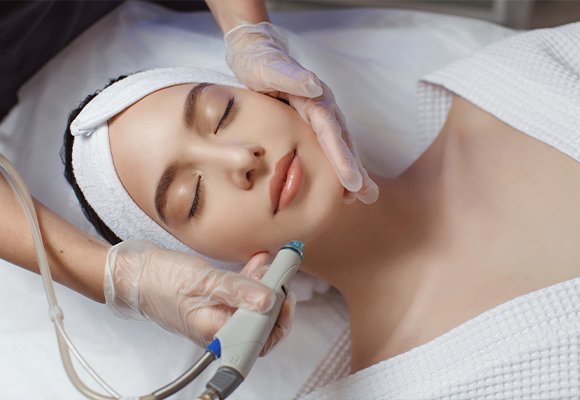
Microdermabrasion is a non-invasive procedure that uses fine crystals or a diamond-tipped wand to gently exfoliate the top layer of skin.
– Instant Glow: Removes dull surface cells and boosts microcirculation for immediate brightness.
– Scar Reduction: Smoothens skin texture and reduces the appearance of mild acne scars and fine lines over time.
This procedure is safe for all skin types, requires no downtime, and leaves skin feeling soft, smooth, and rejuvenated. It’s a popular choice for regular skincare maintenance or a quick pre-event boost.
Lasers
– Hair Reduction (Face & Body – Male & Female)
Laser hair reduction is a safe, long-term solution to reduce unwanted hair from the face and body. It uses targeted light energy to destroy hair follicles without harming surrounding skin.
For Women: Commonly treated areas include the upper lip, underarms, bikini line, and legs.
For Men: Popular areas include beard shaping, chest, and back.
Suitable for all skin types with customised settings, this procedure offers smoother skin, fewer ingrown hairs, and long-lasting results with minimal discomfort.
– Pigmentation Treatments
Pigmentation issues such as melasma, suntan, age spots, or post-acne marks are treated using advanced therapies like chemical peels, laser toning and topical medications.
These treatments target melanin buildup, gradually lightening dark spots and evening out skin tone. A personalised approach ensures safe, effective results for every skin type.
– Photo facial & Laser Toning
These gentle, non-invasive treatments use light or laser technology to target pigmentation, open pores, dullness, and fine lines.
Photo facial (IPL): Improves skin clarity and reduces redness, age spots and sun damage.
Laser Toning (Q-switched Nd:YAG): Evens out complexion, lightens pigmentation, and boosts collagen.
Both treatments require minimal downtime and are ideal for enhancing skin tone and texture with a healthy, radiant glow.
– Acne Laser Treatment
This treatment uses specific light-based technologies (like blue light or Nd:YAG lasers) to target acne-causing bacteria, reduce inflammation, and control oil production.
It’s highly effective for active acne and resistant breakouts, offering visible improvement in just a few sessions with no harsh side effects.
– Acne Scar Treatment
Advanced fractional lasers (like CO₂ or Erbium) are used to treat acne scars by stimulating collagen and remodelling damaged skin.
This treatment smoothens pitted scars, improves skin texture, and reduces post-acne pigmentation. Gradual results are seen over multiple sessions, with long-term skin rejuvenation.
– Skin Rejuvenation & Glowing Skin Treatment
A combination of treatments like hydrafacials, peels, laser toning, and mesotherapy work to hydrate, brighten, and revitalise tired, dull skin.
These therapies improve skin elasticity, reduce fine lines, and enhance glow by boosting collagen and improving cell turnover—ideal for regular maintenance or special occasions.
Anti-ageing basket
– Botulinum Toxin Injections (Botox)
Botulinum toxin is a purified protein that relaxes overactive facial muscles, softening wrinkles and fine lines.
Wrinkle Reduction: Smooths frown lines, crow’s feet and forehead lines for a refreshed look.
Facial Slimming: Injected into the masseter muscles to contour and slim the jawline.
Neck Lift: Tightens and lifts sagging neck bands for a more youthful neckline.
Quick, minimally invasive, and with no downtime—results typically last 4–6 months.
– Dermal Fillers
Dermal fillers restore lost volume, smooth out deep lines, and enhance facial contours using hyaluronic acid-based gels.
Common areas include cheeks, under-eye hollows, nasolabial folds, and lips.
Immediate results with natural-looking enhancement and little to no downtime.
Customisable and reversible, making them a safe, popular choice for subtle facial rejuvenation.
– Non-Surgical Facelift
A combination of Botox, dermal fillers, and skin-tightening treatments designed to lift, contour, and refresh the face without surgery.
This tailored approach restores youthful proportions, improves sagging, and enhances definition—ideal for those seeking anti-ageing results with minimal recovery time.
– Injection Lipolysis (Fat Dissolving Injections)
This non-surgical treatment uses fat-dissolving agents like deoxycholic acid to break down stubborn fat pockets.
Targets double chin, jawline, arms, abdomen and love handles.
Gradual contouring over a few sessions with permanent fat cell destruction in treated areas.
Minimal discomfort and downtime make it a great alternative to liposuction for small areas.
– Non-Surgical Nose Correction
Dermal fillers are strategically used to correct minor nasal asymmetries, bumps, or drooping tips.
This “liquid rhinoplasty” improves nose shape without surgery, offering immediate results with no downtime. Ideal for those looking for subtle enhancement or a preview before surgery.
– Non-Surgical Lip Enhancement
Using soft fillers, lips can be volumised, defined, or reshaped to achieve a natural plumpness or symmetry.
Enhances lip borders, Cupid’s bow, and volume.
Results are immediate, customisable and can be reversed if needed.
Perfect for subtle, youthful lip rejuvenation.
– Non-Surgical Chin Augmentation
Dermal fillers enhance chin projection and definition, creating facial harmony and a balanced profile.
Ideal for correcting a recessed chin or improving jawline proportions.
No downtime and results last 12–18 months depending on the filler used.
– Hand and Foot Rejuvenation
Ageing hands and feet can reveal volume loss, wrinkles, and pigmentation.
Treatments include fillers, laser therapy, and chemical peels to restore plumpness, improve texture, and lighten age spots—leaving the skin smoother, younger-looking, and hydrated.
– Vampire Facial (PRP Facial)
This cutting-edge rejuvenation therapy uses Platelet-Rich Plasma (PRP) derived from your own blood to boost collagen and healing.
Improves skin tone, texture, acne scars, and fine lines.
Often combined with microneedling for enhanced penetration.
A natural, regenerative approach to youthful, radiant skin with minimal downtime.
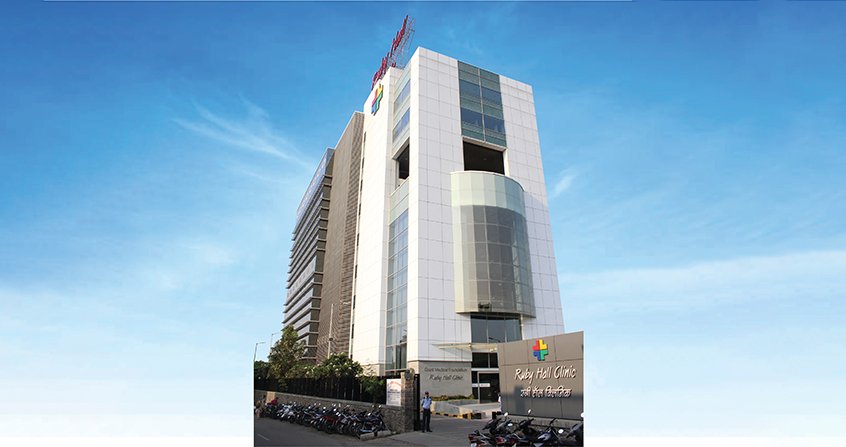
Ruby Hall Clinic Sassoon Road40, Sassoon Road, Sangamvadi, Pune Maharashtra 411001
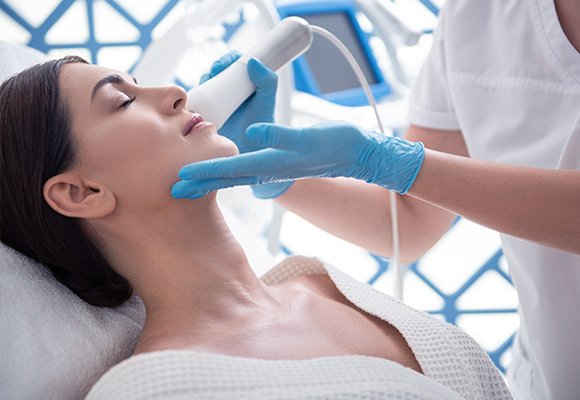
Our Dermatology Department offers unmatched dermatological services to patients of all ages. These include treatments for everyday conditions related to skin, hair, nails, and also the mucous membranes by our skin specialists. The dermatological services offered not only help in treating existing problems but also in improving the appearance of the patient’s skin, hair, and nails.
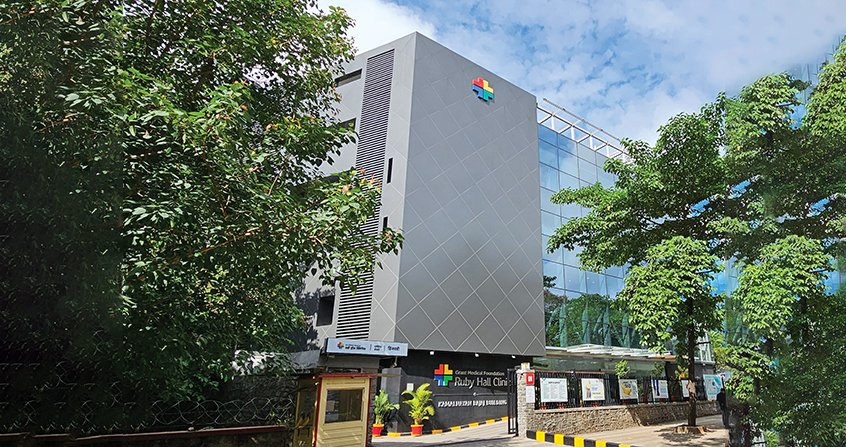
Ruby Hall Clinic HinjawadiRajeev Gandhi Infotech Park, MIDC Phase No 1, Plot No P-33, Hinjawadi, Pune 411057
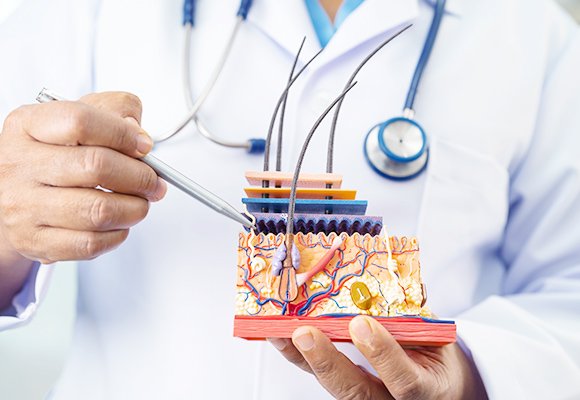
The Dermatology Department plays a critical role in diagnosing, treating, and preventing conditions related to the skin, hair, and nails. Dermatologists, the medical professionals specialising in this field, are trained to handle a wide array of diseases and disorders that can affect these external body parts, which are often the first visible indicators of internal health issues. The dermatology field is constantly evolving, with ongoing research into innovative treatments, including targeted therapies for skin cancer and advanced cosmetic techniques. New treatments, such as biologics for inflammatory skin diseases and personalised medicine, are revolutionising the care dermatologists can provide.
– Non-Surgical Thread Lifts
Thread lifts use dissolvable threads inserted under the skin to lift and tighten sagging facial contours—particularly in the cheeks, jawline, and neck.
The threads stimulate collagen, offering subtle, natural-looking results with minimal downtime and no surgery.
– Botox
Botulinum toxin injections smooth dynamic wrinkles by temporarily relaxing facial muscles.
Areas treated: Forehead lines, crow’s feet, frown lines, neck bands.
Quick, virtually painless, and ideal for softening expression lines with a refreshed look that lasts 4–6 months.
– Dermal Fillers
Injectable fillers restore lost volume, enhance facial features, and smooth deep lines using hyaluronic acid-based gels.
Popular for cheeks, lips, under-eyes, jawline and nasolabial folds.
Immediate, natural-looking results with little to no downtime.
– Hair Transplant
A surgical solution for permanent hair restoration using either FUT (strip method) or FUE (follicular unit extraction).
Hair is transplanted from the donor area to thinning or bald regions.
Natural growth resumes over time, with lifelong results and enhanced density.
– Electrosurgery for Skin
Uses electrical current to cut, coagulate, or destroy abnormal skin tissues like warts, moles and growths.
A quick, precise, and minimally invasive method with effective results and minimal scarring.
– Radiofrequency Surgery for Skin Eruptions
High-frequency energy is used to treat skin lesions such as tags, growths, and cysts with precision and minimal trauma to surrounding skin.
This procedure ensures quick healing and excellent cosmetic outcomes.
– Intralesional Injections
Corticosteroids or other medications are injected directly into skin lesions (acne cysts, keloids, alopecia areata) to reduce inflammation and accelerate healing—safe and effective as a localised treatment.
– Platelet-Rich Plasma (PRP)
A regenerative treatment using your own platelet-rich plasma to promote healing, collagen production and hair growth.
For Hair: Reduces thinning and stimulates new growth.
For Face: Improves texture, tone, and overall skin rejuvenation.
Often combined with microneedling for enhanced results.
– Cheek Augmentation
Dermal fillers or implants are used to enhance cheekbone definition and restore mid-face volume loss.
This non-surgical contouring lifts the face and gives a youthful, sculpted appearance.
– Lip Augmentation
Hyaluronic acid fillers define lip borders, enhance volume, and correct asymmetry.
Results are instant, customisable, and reversible—perfect for subtle to glamorous enhancement.
– Surgical Facelift (Rhytidectomy)
A facelift surgically tightens sagging facial and neck tissues to restore youthful contours.
It smoothens deep wrinkles, lifts jowls and rejuvenates the appearance with long-lasting results. Recovery varies but results are dramatic and natural.
– Rhinoplasty (Nose Surgery)
A surgical procedure to reshape or correct the nose for cosmetic or functional reasons.
Can refine the bridge, tip, and nostrils, or improve breathing.
A popular procedure for facial harmony with permanent, personalised results.
– Neck Rejuvenation
Non-surgical or surgical treatments (Botox, thread lifts, liposuction, or neck lift surgery) target sagging skin, horizontal lines, and double chin.
Helps define the jawline and tighten the neck for a smoother, younger profile.
– Arm Lift (Brachioplasty)
Surgical procedure to remove excess skin and fat from the upper arms, especially after weight loss or ageing.
Contours the arms for a firmer, toned appearance. Typically performed under anaesthesia with a short recovery period.
– Breast Lift (Mastopexy)
A surgical procedure to lift and reshape sagging breasts by removing excess skin and repositioning the nipple.
Restores youthful firmness and contour, often combined with implants for added volume.
Ruby Hall Clinic Wanowrie59/6, Disney Park, Azad Nagar, Wanowrie, Pune 411040
Meet doctors listed for Dermatology at Ruby Hall Clinic.
Consultant Dermatologist
HinjawadiHinjawadi: Mon, Wed, Fri · 2:30 pm – 3:30 pm
Consultant Dermatologist
HinjawadiHinjawadi: Mon – Sat
Dermatology
Sassoon RoadSassoon Road: Mon – Sat · 11 am – 2 pm
Dermatology
Sassoon RoadSassoon Road: Tue, Thu, Sat · 10 am – 11 am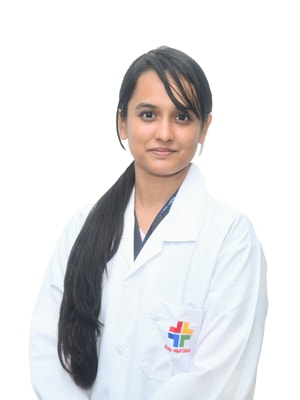
Dermatology
Sassoon RoadSassoon Road: Mon, Wed, Fri · 3 pm – 5 pm Tue, Thu, Sat · 10 am – 3 pm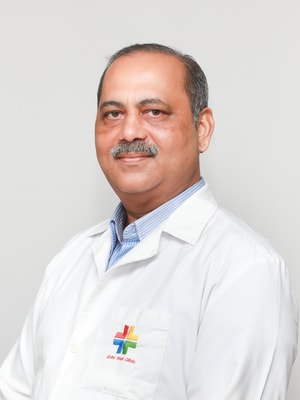
Dermatology
WanowrieWanowrie: Mon – Sat · 5 pm – 7 pm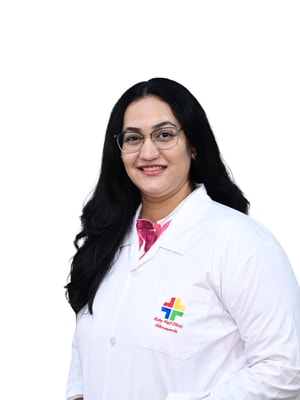
Dermatology
WanowrieWanowrie: Mon, Wed, Sat · 12 pm – 3 pm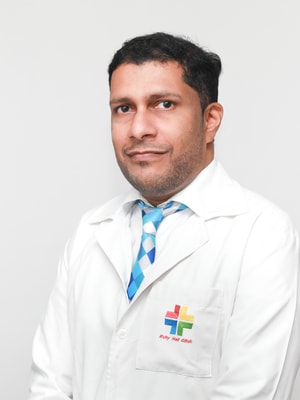
Dermatology
WanowrieWanowrie: Mon – Sat · 3 pm – 5 pmDermatology
WanowrieWanowrie: Mon, Fri · 3 pm – 5 pmDermatology
WanowrieWanowrie: Mon, Wed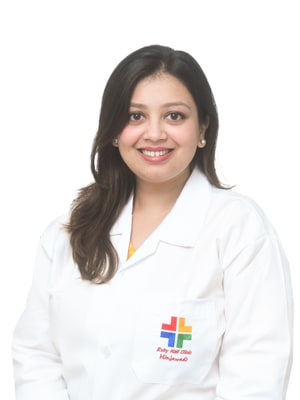
Dermatology
Hinjawadi